Amaranthus Flour

150.00

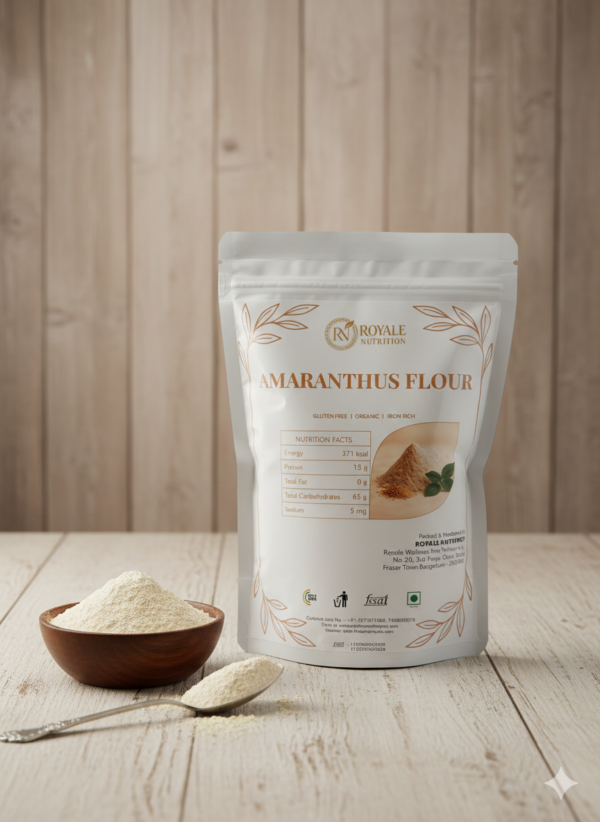
Amaranthus Flour is a highly nutritious, gluten-free flour made from ancient amaranth grains. Known for its exceptional protein content and mineral-rich profile, it is gaining popularity as a wholesome alternative to refined flours. Whether you are improving digestion, managing weight, boosting immunity, or seeking gluten-free nutrition, it offers powerful health benefits for everyday meals.

At Royale Nutrition,it is carefully milled from premium-quality amaranth grains to preserve its natural nutrients, taste, and freshness.

A Complete Guide to Nutrition, Benefits & Uses

Amaranthus flour, often called amaranth flour or rajgira flour in India, is a nutrient-dense flour made by grinding the seeds of the amaranth plant (Amaranthus species) into a fine powder. It’s considered a pseudocereal (a seed used like a grain) and has been cultivated for thousands of years — especially by ancient Mesoamerican civilizations such as the Aztecs and Incas — because of its rich nutrition and versatile culinary use.

Unlike wheat flour, amaranth flour is naturally gluten-free, making it a popular choice for people with celiac disease, gluten intolerance, or anyone seeking alternative flours with superior nutrient profiles.

What Is Amaranthus Flour?

Amaranthus flour is ground from whole amaranth seeds. Because the seeds include all of the grain’s original nutrients, the resulting flour is rich in protein, fiber, vitamins, minerals, and antioxidants. Unlike some refined flours, it is minimally processed and retains most of the seed’s natural goodness.

Amaranth itself is technically not a true cereal grain but behaves like one in cooking and nutrition — similar to quinoa and buckwheat — and is often used as a flour or whole grain in recipes.

Nutritional Profile (per 100 g approx.)

Amaranthus flour stands out for its nutrient density:

  • Protein: ~13–15 g (complete protein containing all 9 essential amino acids)

  • Carbohydrates: ~66–68 g

  • Dietary Fiber: ~7–10 g

  • Fat: ~6–7 g

  • Iron, Magnesium, Phosphorus, Manganese and Calcium: Significant amounts supporting multiple body functions

  • Essential Amino Acids (especially lysine): Rare in many grains, giving amaranth flour an edge in plant-based protein quality

Compared with many traditional flours (like refined wheat flour), amaranthus flour offers higher protein and fiber content, making it a more nutritious alternative for many recipes.

Health Benefits of Amaranthus Flour

1. Complete Plant Protein Source

One of the most remarkable features of amaranthus flour is that it supplies complete protein, meaning it includes all nine essential amino acids that the body cannot make on its own. This makes it beneficial for vegetarians, vegans, and anyone looking to boost plant-based protein intake.

Supports Heart Health

Amaranthus flour contains fiber, healthy fats, and antioxidants that may contribute to improved cardiovascular health. Higher whole-grain and fiber intake is linked in many studies to lower LDL cholesterol and reduced cardiovascular disease risk.

3. Promotes Digestive Health

The dietary fiber in amaranthus flour helps promote regular bowel movements, supports gut microbiome health, and reduces constipation. Fiber also contributes to improved satiety — helping control appetite and support healthy weight management.

4. Rich in Micronutrients

This flour is a good source of iron, magnesium, phosphorus, and manganese, all of which are essential for energy metabolism, bone health, oxygen transport, and nervous system function. These nutrients are especially important for individuals at risk of deficiencies, such as vegans or those with limited dietary variety.

5. Low Glycemic Impact

Although more research is needed, amaranth flour tends to have a lower glycemic response compared with highly refined flours — meaning it can cause a slower, steadier rise in blood glucose, making it useful for people managing blood sugar.

6. Antioxidants and Anti-Inflammatory Properties

Amaranth contains phenolic acids and flavonoids — powerful antioxidants that help reduce oxidative stress and inflammation in the body. These compounds support overall health and may help guard against certain chronic diseases.


Culinary Uses of Amaranthus Flour

Baking & Cooking

Amaranthus flour’s slightly nutty, earthy flavor works well in:

  • Flatbreads and rotis: Especially popular during fasting days or when seeking gluten-free alternatives.

  • Pancakes & waffles: Combined with other gluten-free flours for balanced texture.

  • Crackers & baked snacks: Earthy flavor pairs well with herbs and seeds.

  • Thickening soups & sauces: Adds nutrition and body without gluten.

Because amaranthus flour is a denser flour, many experts recommend using it with other flours (like rice, quinoa, or millet flour) or limiting it to a portion of the total flour in baked goods to avoid overly heavy textures.

How to Incorporate Amaranthus Flour

Here are some simple tips:

  • Use up to 25–30% of the total flour when baking breads to balance texture and structure.

  • Mix with lighter gluten-free flours: Such as rice or tapioca flour for improved rise.

  • Add to smoothies or porridges: For extra protein and fiber.

  • Create nut-free crusts and batters when avoiding wheat and nuts.

Key Benefits of Amaranthus Flour:

  • Naturally Gluten-Free
  • Rich in Protein
  • High in Iron
  • Good Source of Fiber

Summary

Amaranthus flour is a highly nutritious, gluten-free flour rich in complete protein, fiber, vitamins, minerals, and antioxidants. Its versatile culinary uses — from flatbreads to baked snacks — along with its potential to support heart health, digestion, and blood sugar control make it an excellent addition to modern diets, especially for people seeking whole-food, plant-based nutrition

250g

Category:

Reviews

There are no reviews yet.

Be the first to review “Amaranthus Flour”

Your email address will not be published. Required fields are marked *

❤︎ Save More, Live Healthier — Shop Detox Essentials Now | ⭐⭐⭐⭐⭐ 4.8 out of 5 | 🌿 100% Natural | Organic | Gluten-Free